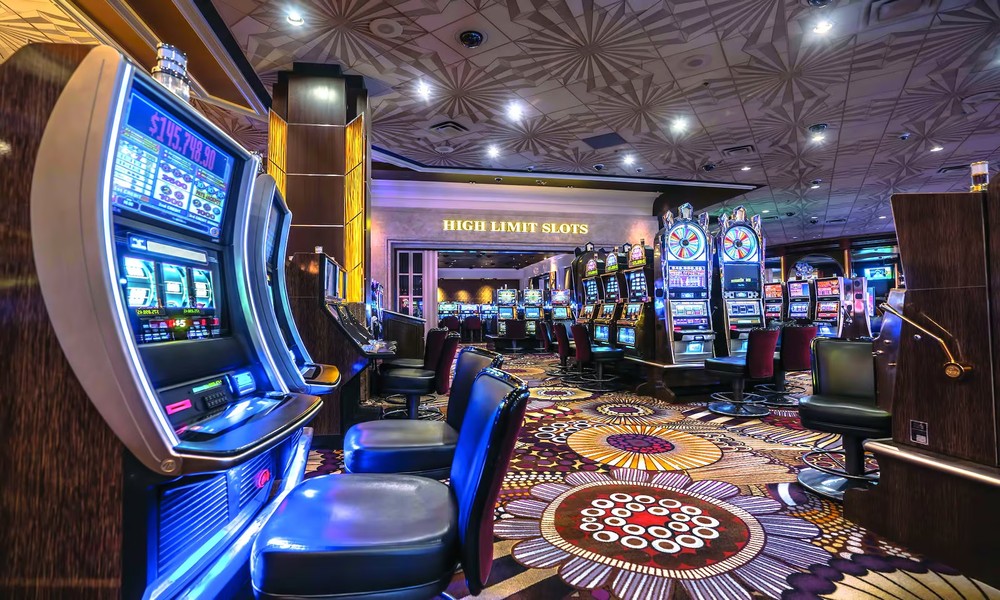
Player focus in baccarat shifts considerably depending on where and how the game is presented. Live dealer tables and fully digital interfaces are built differently, operate differently, and produce measurably different attentional responses. Documented session behaviour from บาคาร่า gameplay across both formats reveals patterns that repeat consistently regardless of player experience level. What shapes focus here is not personal discipline alone; it is the structure, pace, and sensory environment of the table itself that quietly directs attention from the very first round.
Live tables and sensory engagement
Live dealer baccarat creates an environment where sensory input plays a constant role in maintaining focus. The presence of a physical dealer, real card handling, and visible table activity gives players a continuous stream of contextual information to process.
- Dealer pace sets a natural rhythm that players unconsciously align their decisions with.
- Card reveal moments generate brief but measurable spikes in player attention and engagement.
- The social dimension of a live table, even when experienced through a screen, sustains focus across longer stretches than purely digital formats typically manage.
Players in live environments report stronger session awareness, meaning they track round numbers, outcomes, and elapsed time with greater accuracy than those playing digital formats of equivalent length.
Digital format and decision clarity
Digital baccarat tables strip the experience down to its core mechanical elements. Without dealer interaction or physical card movement, player attention shifts entirely inward. The absence of external sensory input removes distraction but also removes the natural pacing that live formats provide.
It produces a different quality of focus. Digital players engage more directly with outcome data, studying result displays and sequence records with greater frequency than live players do. The clean interface directs attention toward patterns and numbers rather than atmosphere and pace. Session data shows digital format players reference recent outcome history more often per round, suggesting the format itself encourages a more analytical and data-oriented form of engagement.
Pace differences and cognitive load
Live tables operate at a pace determined by the dealer, the studio, and broadcast requirements. Digital tables place pace control entirely in the player’s hands. This single difference produces measurable effects on cognitive load and decision quality across both formats.
Player-controlled pace in digital formats frequently leads to faster round progression than players consciously intend. Without an external rhythm to follow, sessions accelerate gradually. Live formats naturally prevent this through structured dealing sequences, card shuffling intervals, and dealer communication. The imposed pace of a live table functions as an unintentional cognitive rest point between rounds, giving players brief but consistent recovery windows that digital formats do not build in by default.
Format switching and focus recalibration
Players who regularly switch between live and digital formats undergo a recalibration period each time. Focus patterns established in one format do not transfer immediately to the other. Those moving from digital to live often find the added sensory input initially distracting before it becomes an anchor. Those moving from live to digital frequently report a sharper but narrower focus, with attention concentrating heavily on outcome sequences in the absence of environmental cues.
Both formats develop distinct attentional habits over time, and the differences between them reflect how deeply the table environment shapes the way players engage with every round.